

“Music is the invisible architecture of emotion. It enters without knocking, rearranges memories, alters chemistry, and leaves behind a version of ourselves that did not exist a few minutes before.”
From the rhythmic heartbeat of a mother carrying her unborn child to the orchestral masterpieces that move audiences to tears, music has accompanied humanity since the dawn of civilization. Every culture has discovered that sound possesses an extraordinary ability to influence emotions, inspire courage, reduce fear, promote healing, and create profound spiritual experiences.
But why?
How can invisible vibrations in the air make us cry, dance, relax, or remember events from decades ago?
Modern neuroscience has begun answering these questions, while ancient traditions have explored them for thousands of years. Together they reveal a fascinating truth: music is far more than entertainment. It is one of the most powerful tools for influencing human consciousness.
In this comprehensive guide, we’ll explore the science of music, the relationship between sound and emotional states, the role of frequencies, the fascinating connection between rhythm and the brain, and practical ways to use music to improve your daily life.
Everything Is Vibration
At its most fundamental level, sound is vibration.
When a guitar string is plucked, a piano key is struck, or a singer’s vocal cords vibrate, they create pressure waves that travel through the air. These waves eventually reach our ears, where they are transformed into electrical signals interpreted by the brain.
Every sound has characteristics including:
- Frequency (pitch)
- Amplitude (volume)
- Rhythm
- Harmony
- Timbre (tone color)
Our brains don’t simply hear these characteristics.
They respond to them.
Different combinations activate different neural pathways, hormonal responses, and emotional reactions.
The Incredible Journey of Music Through the Brain
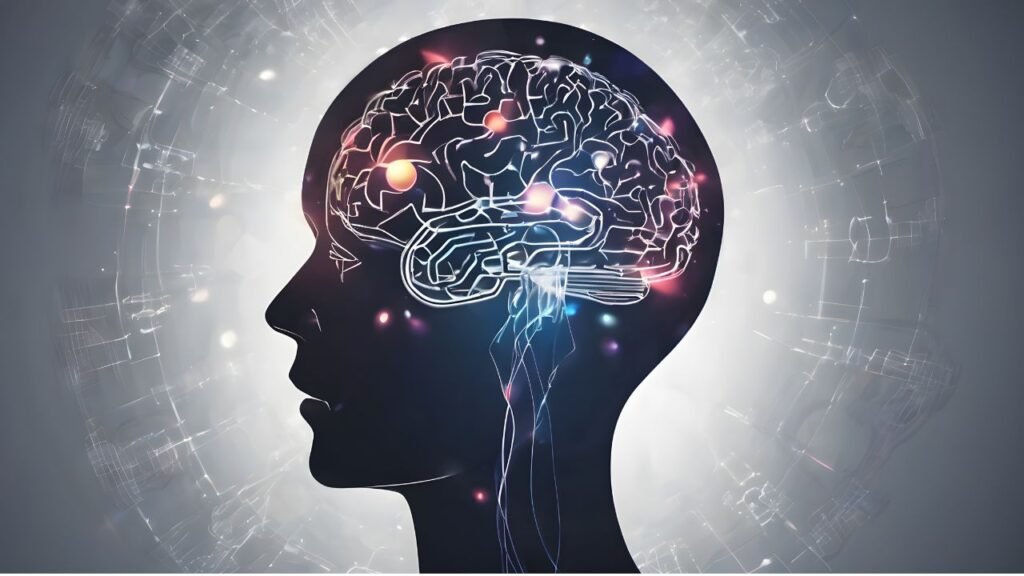
Unlike language, which primarily activates specific regions of the brain, music lights up nearly the entire brain simultaneously.
Researchers have discovered that listening to music activates areas involved in:
- Emotion
- Memory
- Movement
- Attention
- Language
- Reward
- Imagination
- Pattern recognition
Few experiences stimulate so many brain networks at once.
This widespread activation explains why music can feel deeply immersive and emotionally transformative.
The Brain’s Reward System
One of the most fascinating discoveries in neuroscience is that pleasurable music stimulates the release of dopamine.
Dopamine is associated with:
- Motivation
- Pleasure
- Learning
- Curiosity
- Anticipation
Remarkably, dopamine begins increasing before the emotional climax of a favorite song.
Your brain predicts the rewarding moment.
This anticipation creates excitement similar to waiting for a surprise or reaching the top of a roller coaster.
Music Changes Brain Chemistry
Listening to music can influence several important neurochemicals.
Dopamine
Associated with pleasure and reward.
Often increases during enjoyable music.
Serotonin
Supports emotional stability and feelings of well-being.
Relaxing music may contribute indirectly to healthier serotonin regulation through stress reduction.
Oxytocin
Sometimes called the “bonding hormone.”
Group singing, choirs, and communal musical experiences may increase feelings of social connection.
Endorphins
Natural pain-relieving chemicals.
Singing, dancing, and drumming together may promote endorphin release.
Cortisol
The primary stress hormone.
Numerous studies have found that calming music can help lower cortisol levels, contributing to reduced stress and greater relaxation.
Rhythm: The Hidden Language of the Body
Long before humans invented language, rhythm may have been one of our earliest forms of communication.
Our bodies are inherently rhythmic.
We have:
- Heart rhythms
- Breathing rhythms
- Walking rhythms
- Sleep rhythms
- Brain rhythms
Because of this, rhythm naturally influences us.
One fascinating phenomenon is entrainment, where biological rhythms synchronize with external rhythms under certain conditions.
Examples include:
- Clapping together at concerts
- Marching soldiers
- Dancers moving in sync
- People unconsciously matching another person’s walking pace
Music can encourage coordinated movement and influence our perception of energy and calmness, though the exact effects vary from person to person.
Music and Memory
Have you ever heard a song from your teenage years and instantly remembered:
- A summer vacation
- Your first love
- A childhood home
- A family celebration
This phenomenon occurs because music strongly engages areas involved in autobiographical memory.
Researchers studying people with dementia have found that familiar songs can sometimes help evoke memories, improve mood, and encourage communication, even when other forms of memory are impaired.
Why Music Gives Us Goosebumps
Many people experience “musical chills.”
These moments include:
- Goosebumps
- Tears
- Shivers
- A feeling of awe
Researchers believe these experiences involve interactions among the brain’s reward, emotional, and predictive systems.
Unexpected harmonies, soaring melodies, or powerful crescendos can create moments of heightened emotional impact.

Tempo and Emotional States
Tempo has a profound influence on how music feels.
Slow Music
Generally associated with:
- Relaxation
- Reflection
- Calmness
- Meditation
Moderate Tempo
Often supports:
- Focus
- Productivity
- Learning
- Comfortable movement
Fast Music
Frequently encourages:
- Excitement
- Physical activity
- Motivation
- Celebration
The relationship isn’t absolute, since harmony, lyrics, personal associations, and cultural background also shape emotional responses.
Major and Minor Keys
Western music often associates:
Major keys with:
- Joy
- Optimism
- Triumph
Minor keys with:
- Reflection
- Sadness
- Mystery
- Longing
Interestingly, sad music doesn’t always make people feel worse.
Many listeners describe melancholic music as comforting, beautiful, or emotionally cleansing.
Lyrics vs. Instrumental Music
Lyrics engage language centers and can direct attention toward a story or message.
Instrumental music leaves more room for imagination and personal interpretation.
Many people find instrumental music particularly helpful for:
- Reading
- Writing
- Meditation
- Creative thinking
Music Across Different Cultures
Every civilization has used music for purposes extending far beyond entertainment.
Examples include:
- Spiritual ceremonies
- Healing rituals
- Storytelling
- Celebration
- Mourning
- Community bonding
- Military coordination
- Meditation
Despite differences in instruments and musical scales, nearly every culture recognizes music’s extraordinary emotional influence.
The Fascinating World of Frequencies
Frequency refers to how many times a sound wave vibrates each second.
It is measured in Hertz (Hz).
Higher frequencies produce higher pitches.
Lower frequencies produce lower pitches.
The human hearing range is approximately:
- 20 Hz to 20,000 Hz
However, our emotional experience of music depends on far more than individual frequencies. Melody, harmony, rhythm, dynamics, timbre, cultural familiarity, and personal memories all contribute to how music affects us.

The Popular Discussion Around “Healing Frequencies”
You may have encountered claims online about specific frequencies such as:
- 174 Hz
- 285 Hz
- 396 Hz
- 417 Hz
- 432 Hz
- 528 Hz
- 639 Hz
- 741 Hz
- 852 Hz
- 963 Hz
These are often referred to as “healing frequencies” or “Solfeggio frequencies.”
Many people report deeply relaxing or meaningful experiences while listening to music built around these frequencies.
However, it’s important to distinguish personal experience from established scientific evidence.
At present:
- Music can certainly influence mood, stress, attention, and emotional state.
- Specific claims that one exact frequency can cure diseases or produce unique healing effects have not been conclusively demonstrated by high-quality scientific research.
- Individual preferences, expectations, musical context, and listening environment likely play a significant role in how these sounds are experienced.
For many listeners, these frequencies may still serve as helpful tools for relaxation or meditation, even if the proposed mechanisms remain unproven.
Why Nature Sounds Feel So Relaxing
Many people find themselves instinctively drawn to:
- Rainfall
- Ocean waves
- Flowing rivers
- Forest birds
- Wind through trees
- Gentle streams
Researchers suggest these natural soundscapes can reduce perceived stress and improve mood for many individuals. Their relatively predictable acoustic patterns and positive associations with natural environments may contribute to these effects.
Music and Exercise
Music can dramatically influence physical activity.
Athletes often use energetic playlists because music may help:
- Increase motivation
- Improve perceived endurance
- Make workouts feel more enjoyable
- Support rhythmic movement
The right soundtrack can transform a difficult workout into an engaging experience.
Music and Sleep
Soft, calming music before bedtime has been associated with improved sleep quality in many studies.
Slow music can encourage relaxation by helping quiet mental activity and supporting a restful bedtime routine.
Many sleep playlists feature:
- Piano
- Soft strings
- Ambient soundscapes
- Gentle nature sounds
Consistency matters as much as the specific songs.
Music as Emotional Self-Care
Music can serve as a powerful emotional companion.
Instead of suppressing emotions, music often helps people process them.
Consider creating playlists for different needs, such as:
Morning Energy
Upbeat songs that help you begin the day with optimism.
Deep Focus
Instrumental tracks for studying or creative work.
Stress Relief
Gentle ambient music, acoustic guitar, or soft piano.
Gratitude
Songs that remind you of life’s beauty.
Reflection
Music that supports journaling or meditation.
Celebration
Songs connected to your happiest memories.
Having intentional playlists ready can make it easier to shift your emotional state in healthy ways.
Can Music Support Healing?
Music is not a replacement for medical treatment, but it is increasingly used as a complementary tool in healthcare.
Music therapy, delivered by trained professionals, has shown benefits in helping some patients with:
- Anxiety
- Pain management
- Stroke rehabilitation
- Parkinson’s disease
- Depression
- Dementia
- Autism spectrum disorders
- Cancer care
- Palliative care
Its effectiveness depends on the individual and the clinical context, but the growing body of research highlights music’s potential to improve quality of life alongside conventional care.

How to Build a Healthy Relationship with Music
Try becoming more intentional about what you listen to.
Ask yourself:
- How does this music make me feel?
- Does it energize or drain me?
- Does it help me focus?
- Does it reduce stress?
- Does it inspire hope?
- Does it support the kind of person I want to become?
Music can become more than background noise.
It can become a daily wellness practice.
Practical Daily Music Rituals
Consider incorporating music into your routine:
Morning: Listen to uplifting instrumental music while preparing for the day.
Work: Use calm background music to support concentration if it helps you focus.
Exercise: Choose energetic songs that match your preferred pace.
Evening: Wind down with slower, relaxing music and reduced screen time.
Meditation: Pair gentle instrumental music or nature sounds with mindful breathing.
Over time, these rituals can help create positive associations and smoother transitions between different parts of your day.
Final Thoughts
Music is one of humanity’s oldest companions and one of its most remarkable tools for shaping emotional experience. It has the power to comfort, energize, connect, inspire, and soothe, often without a single spoken word.
Science continues to uncover the ways music influences the brain and body, from activating reward pathways to supporting relaxation and memory. At the same time, personal experience remains central: the songs that move one person deeply may leave another untouched.
Whether you are seeking motivation, calm, focus, or simply a moment of beauty, music offers a timeless invitation to listen more closely, not only to the sounds around you, but also to the rhythms within yourself.
The next time you press play, remember that you are doing more than hearing a melody. You are engaging one of the most intricate conversations between vibration, biology, emotion, and the human spirit.