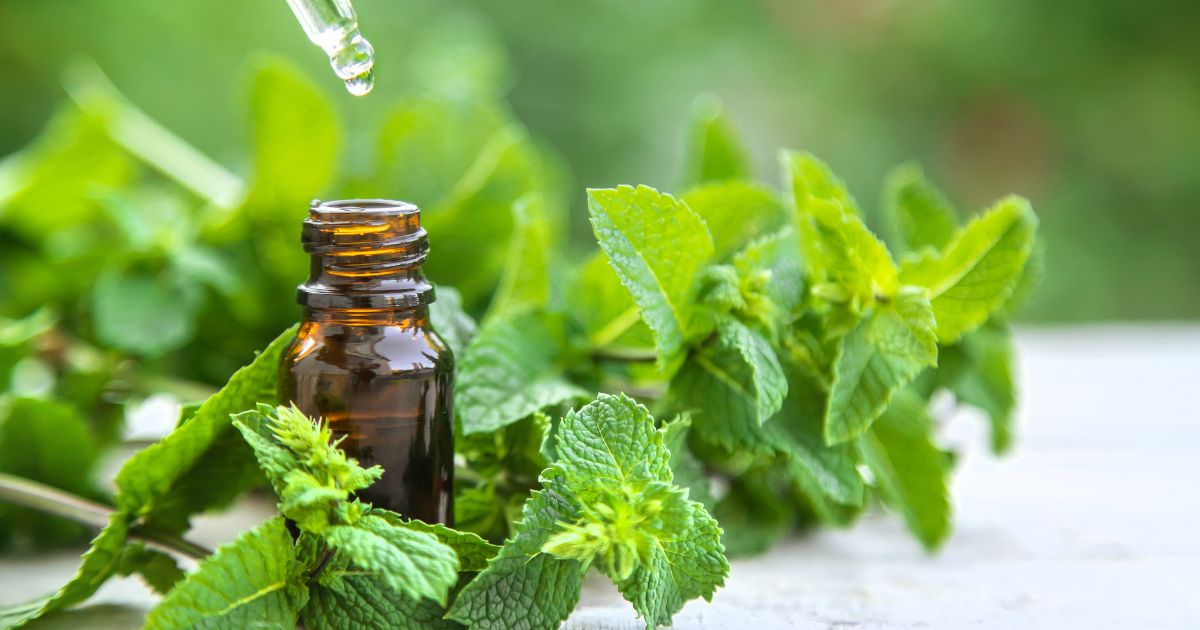

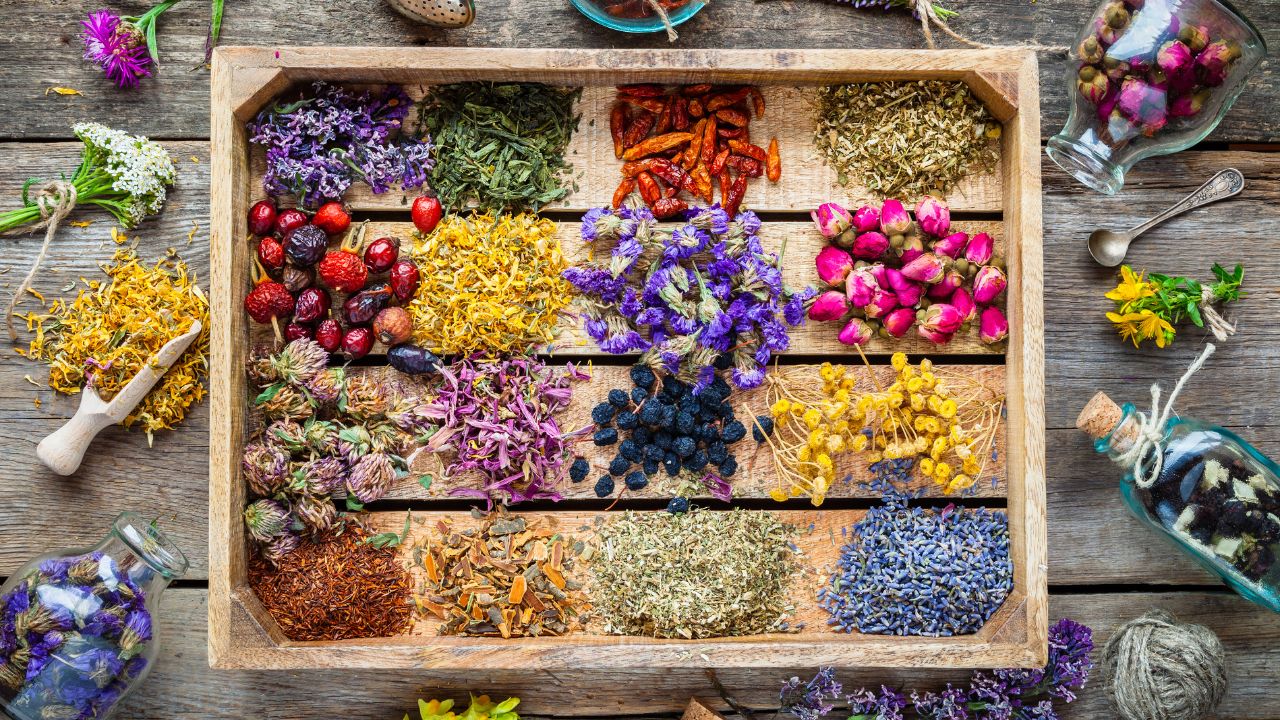
Herbal medicine is one of humanity’s oldest healing traditions, yet it feels surprisingly new to many people today. Walk into a modern pharmacy and you’ll see shelves of pills and powders, but step into nature and you’ll find the original medicine cabinet growing quietly all around us.
Herbal medicine is not about rejecting modern science or living like it’s 2,000 years ago. It’s about understanding how plants support the body’s natural intelligence and learning to use that wisdom safely, practically, and effectively in everyday life.
This guide is your gentle entry point into that world.
What Is Herbal Medicine, Really?
At its core, herbal medicine is the use of plants to support health and restore balance in the body.
Herbs have been used across cultures for thousands of years: in Ayurveda, Traditional Chinese Medicine, Indigenous healing systems, Ancient Egypt, Greece, and Rome. These traditions developed independently, yet many arrived at the same plants for similar purposes. That consistency is not coincidence. It is observation refined over generations.
Modern research now confirms that plants contain active compounds that influence inflammation, digestion, immunity, hormones, and the nervous system. Herbal medicine works not because it is mystical, but because it is biochemical and biological.
The difference is how it works.
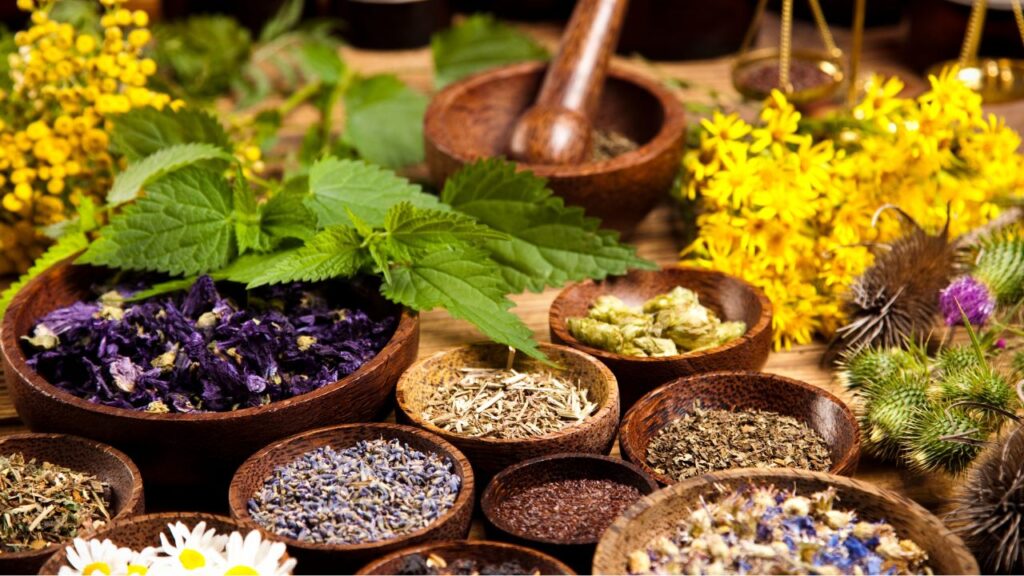
How Herbal Medicine Works in the Body
Unlike pharmaceutical drugs, which are usually designed to target a single pathway or symptom, herbs tend to work gently and systemically.
Most herbs contain dozens, sometimes hundreds, of compounds that act together. This creates a broader, more balanced effect. Rather than forcing the body in one direction, herbs encourage the body to regulate itself.
Think of herbs as supportive guides rather than commanding agents.
This is why herbal medicine often takes a little longer to show effects, but also why it tends to be well tolerated when used properly.
Herbs vs. Drugs: Understanding the Difference
One common misconception is that herbs are either too weak to work or exactly the same as drugs.
Neither is true.
Drugs are typically isolated compounds created to produce a strong, specific effect. Herbs are whole plants or plant parts that offer complex, layered support.
For example, willow bark was used for pain relief long before aspirin existed. Aspirin is a refined version of one compound found in willow bark. It works quickly, but it also removes the buffering compounds present in the plant.
Herbal medicine values synergy over speed.
Both have their place. Wisdom is knowing when to use each.
Common Forms of Herbal Medicine
Herbs can be prepared and used in many forms. Beginners often find it helpful to start simple.
Teas and infusions are the most accessible. Chamomile, peppermint, ginger, and lemon balm are gentle and effective.
Tinctures are liquid extracts made with alcohol or glycerin. They are concentrated, easy to use, and have a long shelf life.
Capsules and powders are convenient and familiar for those used to supplements.
Topical preparations like salves, oils, and poultices are used for skin, muscles, and joints.
Each form has advantages. There is no single “best” way, only what fits your lifestyle and needs.
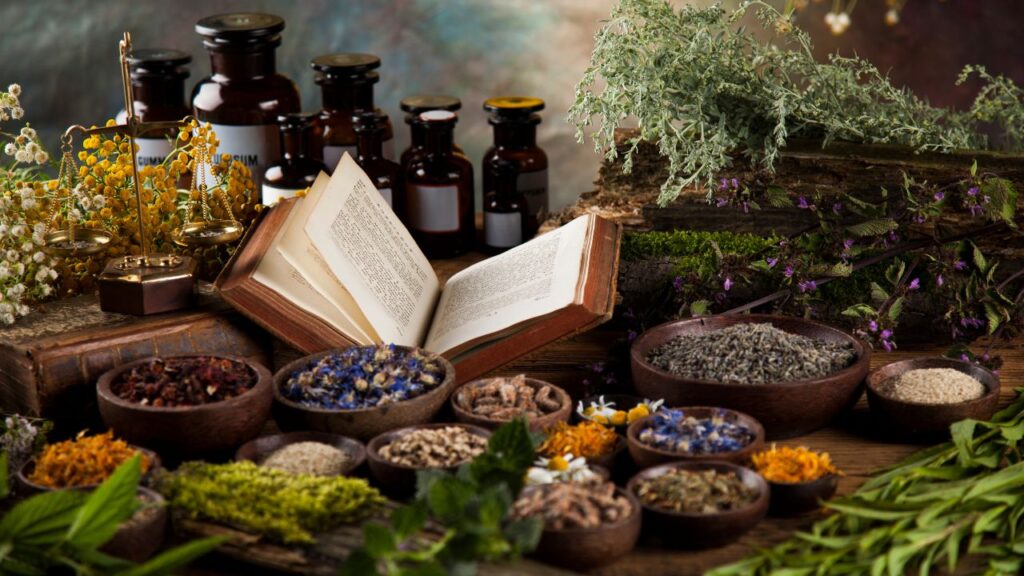
Beginner-Friendly Herbs Everyone Should Know
Some herbs are particularly well suited for beginners because they are gentle, versatile, and well-studied.
Chamomile supports digestion, relaxation, and sleep. It has been used for centuries for nervous tension and stomach discomfort.
Peppermint helps with digestion, bloating, and mental clarity. Its effects are noticeable and fast.
Ginger supports digestion, circulation, and inflammation. Ancient systems valued it as a universal warming herb.
Turmeric is renowned for its anti-inflammatory properties and long history in Ayurvedic medicine.
Garlic supports immunity and cardiovascular health and has been used medicinally across cultures.
These herbs are not exotic. Their power lies in their familiarity.
Herbal Medicine Is About Balance, Not Suppression
One of the most important principles for beginners to understand is that herbal medicine does not aim to silence symptoms without understanding them.
Symptoms are signals.
If digestion is sluggish, herbs may support digestive fire. If stress is high, herbs may calm the nervous system. If immunity is low, herbs may strengthen resilience.
This approach treats the person, not just the problem.
Ancient healers did not ask, “How do we stop this?” They asked, “What is missing or excessive?”
Safety First: Using Herbs Wisely
Herbs are natural, but natural does not mean careless.
Some herbs are powerful and can interact with medications or underlying conditions. This is why education matters.
Start with gentle herbs. Use one new herb at a time. Pay attention to how your body responds.
If you are pregnant, nursing, managing a chronic condition, or taking medication, consult a qualified healthcare provider or trained herbalist.
Respect builds results.
How to Start Your Herbal Journey
You do not need a shelf full of jars to begin.
Start with intention. Ask yourself what your body needs right now: better sleep, calmer digestion, more energy, less stress.
Choose one or two herbs that support that goal. Use them consistently for a few weeks. Observe how you feel.
Herbal medicine teaches patience and awareness. That is part of its healing power.
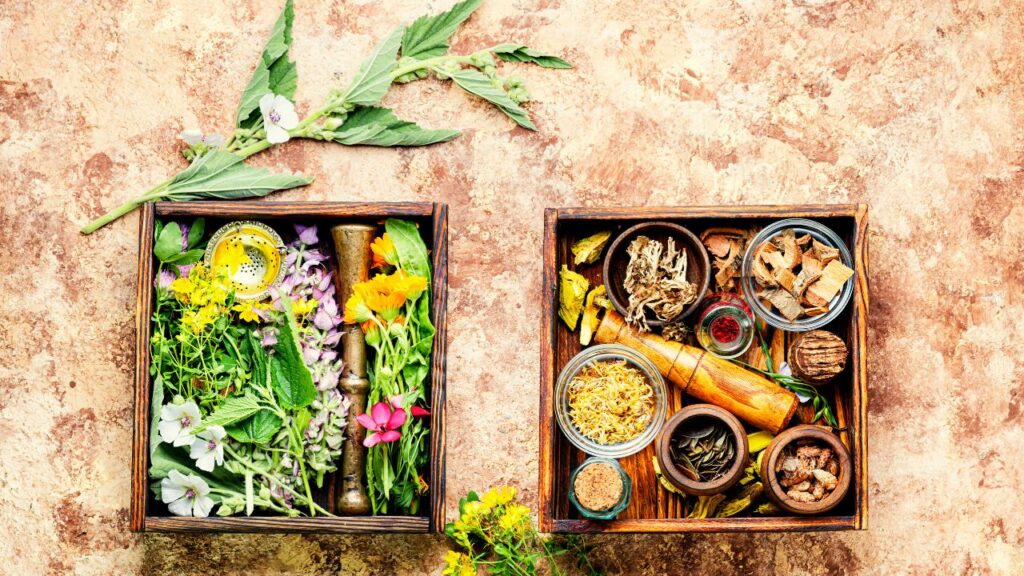
The Role of Lifestyle in Herbal Healing
Herbs do not work in isolation.
Ancient traditions always paired herbal medicine with lifestyle guidance: food, rest, movement, emotional balance, and environment.
No herb can compensate for chronic sleep deprivation or constant stress. But when paired with supportive habits, herbs amplify healing.
Plants respond best when the body feels safe.
Science Is Catching Up to Tradition
Herbal medicine is no longer confined to folklore.
Scientific studies now confirm the effects of many traditional herbs. Research on inflammation, immunity, gut health, and stress continues to grow.
Modern medicine is rediscovering what ancient cultures preserved through practice.
This does not make herbal medicine new. It makes it validated.
Developing a Relationship with Plants
One of the most beautiful aspects of herbal medicine is that it encourages relationship, not dependence.
As you learn, you begin to recognize patterns. You understand which herbs support you best. You notice seasonal needs. You develop trust in your body’s responses.
Herbal medicine is both practical and intuitive.
It teaches you to listen.
Myths About Herbal Medicine
Let’s clear a few common misconceptions.
Herbal medicine is not slow because it is weak. It is deliberate because it works with the body.
Herbal medicine is not unscientific. It is observational science refined over centuries.
Herbal medicine is not all or nothing. It integrates beautifully with modern care.
Understanding these truths removes fear and builds confidence.
Herbal Medicine as a Way of Living
At its heart, herbal medicine is a philosophy of health.
It reminds us that healing is ongoing, not episodic. That balance matters more than control. That nature and the body share a common language.
You do not need to become an expert to benefit. You only need curiosity and respect.
A Gentle Beginning
If you take one thing from this guide, let it be this: herbal medicine is not about replacing something. It is about reconnecting with something.
Plants have supported human health for as long as humans have existed. That relationship has never been broken. It has only been forgotten.
By beginning your journey into herbal medicine, you are not stepping backward. You are stepping into a deeper understanding of health, one rooted in balance, awareness, and trust.
Nature has always been ready to help.