


Long before hospitals, laboratories, and prescription labels, health was understood as something far more intimate and meaningful. Ancient civilizations did not see the body as a machine to be fixed, but as a living expression of balance. To them, health was sacred, not because it was mysterious, but because it was deeply connected to nature, community, and the inner life of the human being.
What may surprise us today is how consistent this idea was across cultures separated by oceans and centuries.
Health Was Harmony, Not the Absence of Disease
Ancient healers rarely asked, “What symptom do you have?” Their first question was closer to, “Where is balance lost?”
In Ancient Greece, health was defined by harmonia, the proper relationship between body, mind, and environment. Hippocrates taught that illness arose when natural forces fell out of alignment. Treatment focused on restoring equilibrium through diet, rest, movement, and environment rather than attacking disease directly.
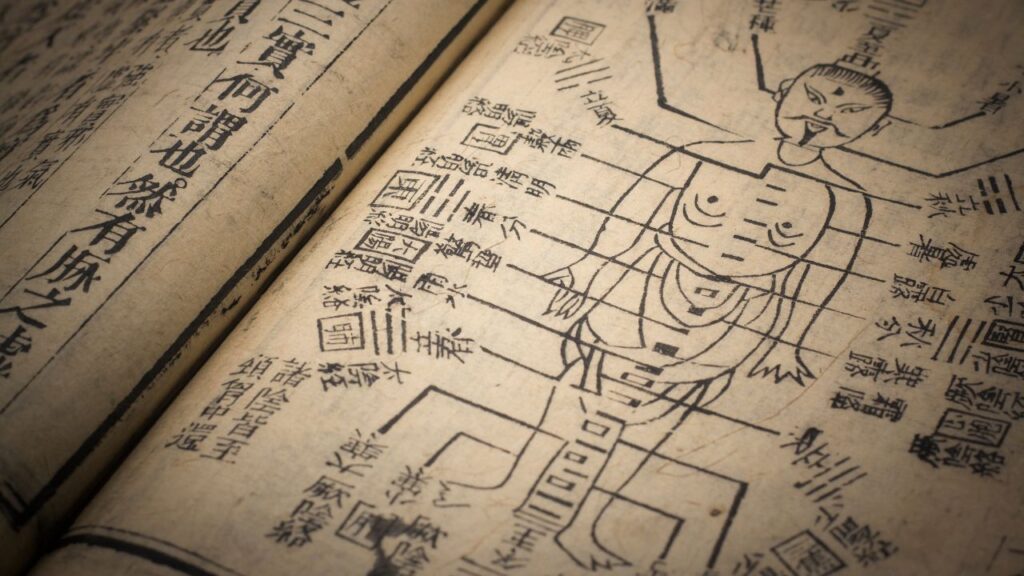
In Traditional Chinese Medicine, health was the smooth flow of Qi, the vital life force. When Qi moved freely and yin and yang were balanced, the body thrived. When it stagnated or became excessive, illness appeared. Healing meant restoring flow, not suppressing symptoms.
Different languages. Same understanding.
The Body as a Mirror of Nature
Ancient civilizations viewed the human body as a microcosm of the natural world.
Ayurveda, the ancient medical system of India, taught that humans were composed of the same elements as nature: earth, water, fire, air, and ether. Health existed when these forces were in balance within the body. Seasons, climate, food, emotions, and daily routines all influenced this balance.
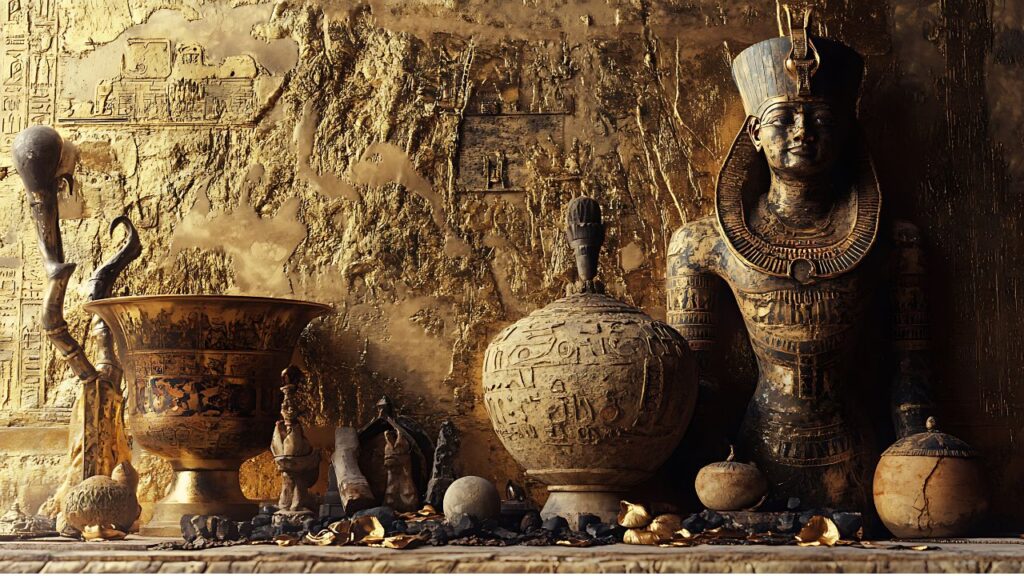
Ancient Egyptians believed the body followed divine order. Health was maintained by living in alignment with Ma’at, the cosmic principle of truth, balance, and harmony. Illness was not random; it was a sign that order had been disrupted.
To the ancients, the body was not separate from the universe. It was an extension of it.
Healing Was Both Practical and Spiritual
Modern thinking often separates physical health from spirituality. Ancient cultures did not.
Healing rituals, herbal remedies, prayers, and lifestyle guidance were intertwined. This did not mean healing lacked practicality. On the contrary, treatments were often highly effective. It meant healing addressed the whole person.
In Indigenous traditions across the Americas, illness was understood as a loss of balance between the individual, the community, nature, and spirit. Healing involved plants, ceremony, and reconnection.
The goal was restoration, not domination.

Prevention Was the Highest Form of Medicine
One of the most advanced concepts in ancient medicine was prevention.
In classical Chinese medicine, the best doctors were said to be those who prevented illness before it appeared. Physicians were often paid only while their patients remained healthy.
Ayurveda emphasized daily routines, seasonal adjustments, proper digestion, and emotional balance as the foundation of health. Waiting for disease was considered poor medicine.
Modern science now confirms that lifestyle and daily habits are the strongest predictors of long-term health.
Ancient wisdom was ahead of its time.
Balance Over Perfection
Ancient cultures did not pursue perfection. They pursued balance.
Illness was not viewed as failure or punishment, but as feedback. The body was communicating. The healer’s role was to listen and guide, not overpower.
This mindset created compassion rather than fear.
When health is sacred balance, healing becomes a process of understanding, not blame.
Why This Matters Today
Modern life often pushes us into extremes: overwork, overstimulation, poor nourishment, and constant stress. Ancient civilizations would have recognized these as signs of imbalance long before disease appeared.
The growing interest in holistic health, mindfulness, and natural medicine reflects a deep collective remembering.
We are rediscovering what humanity once knew instinctively.
Returning to Sacred Balance
Ancient civilizations teach us something timeless: health is not something to conquer. It is something to tend.
When we align our bodies with nature, our minds with rhythm, and our lives with meaning, health becomes a natural state rather than a constant struggle.
Sacred balance is not ancient history.
It is living wisdom.
And it is waiting to be remembered.