


Sleep is one of the most powerful healing tools we have, and yet it is often treated as optional, negotiable, or something to catch up on later. Ancient civilizations would have found this idea strange. For them, sleep was not wasted time. It was sacred time.
Today, science is finally confirming what human wisdom has known for thousands of years: sleep is essential for physical health, mental clarity, emotional balance, and long-term vitality.
Sleep Is When the Body Repairs Itself
When you fall asleep, your body does not shut down. It switches into repair mode.
During deep sleep, tissues regenerate, muscles recover, and cells repair daily wear and tear. Growth hormone, essential for healing and regeneration, is primarily released while you sleep.
Ancient healers observed that wounds healed faster and illness resolved more easily when rest was prioritized. Modern research now confirms this through measurable biological processes.
Sleep is not rest from healing. It is healing.
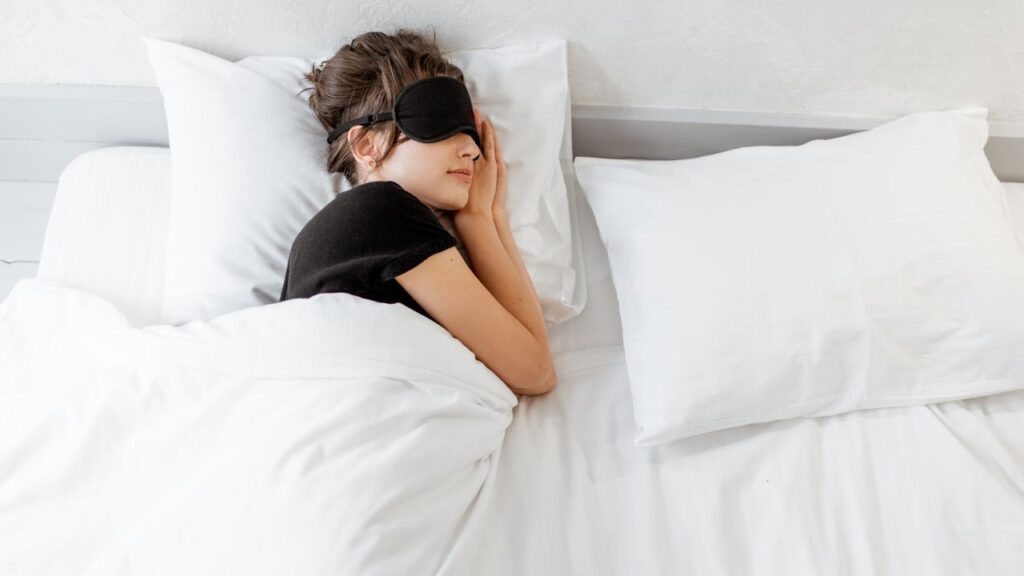
The Brain Needs Sleep to Function
Your brain depends on sleep more than any other organ.
During sleep, the brain clears metabolic waste through a system known as the glymphatic system. This process removes toxins that accumulate during waking hours. Poor sleep disrupts this cleansing process, increasing the risk of cognitive decline over time.
Studies show that sleep improves memory, focus, creativity, and decision-making. Even one night of poor sleep can impair attention and emotional regulation.
Ancient traditions understood this intuitively. Dreams were considered meaningful because the mind was thought to reorganize and reveal insight during sleep.
Sleep Strengthens the Immune System
Sleep and immunity are deeply connected.
While you sleep, your immune system produces cytokines, proteins that help fight infection and inflammation. Chronic sleep deprivation reduces immune response, making you more susceptible to illness.
Research shows that people who consistently sleep less than six hours are more likely to get sick when exposed to viruses.
Rest was once considered preventive medicine. It still is.
Sleep Balances Hormones
Sleep plays a crucial role in hormonal balance.
Appetite-regulating hormones like leptin and ghrelin are directly affected by sleep duration. Poor sleep increases hunger and cravings, especially for sugar and processed foods.
Stress hormones such as cortisol are also regulated during sleep. Inadequate rest keeps cortisol elevated, contributing to inflammation, weight gain, and fatigue.
Ancient medical systems emphasized rhythm and timing for this reason. The body follows cycles, and sleep anchors them.

Emotional Health Begins at Night
Sleep is essential for emotional resilience.
During sleep, the brain processes emotions and regulates mood. Poor sleep increases anxiety, irritability, and emotional sensitivity. Over time, chronic sleep deprivation is linked to depression and burnout.
Ancient cultures valued nighttime stillness as a time for emotional restoration. Modern neuroscience agrees.
A well-rested mind is a stable mind.
Sleep and Longevity
Consistent, quality sleep is associated with longer lifespan.
Research links healthy sleep patterns to reduced risk of heart disease, diabetes, obesity, and neurodegenerative conditions. Sleep supports cardiovascular health by regulating blood pressure and reducing inflammation.
Longevity was never about pushing harder. It was about aligning with natural rhythms.
Quality Matters More Than Quantity
Sleep quality is as important as sleep duration.
Deep, uninterrupted sleep allows the body to complete its restorative cycles. Light exposure, stress, late meals, and overstimulation disrupt this process.
Ancient cultures naturally supported sleep quality through sunset routines, low light, and quiet evenings. These habits are worth revisiting.

Simple Ways to Support Better Sleep
You do not need complicated routines to sleep better.
Consistent bedtimes, reduced evening light exposure, calming rituals, and mindful breathing all improve sleep quality. Herbs like chamomile and lavender have been used for centuries for this purpose.
Sleep responds to respect.
Sleep Is Not Lazy
Perhaps the greatest myth about sleep is that it is unproductive.
In reality, sleep is what makes productivity, clarity, and health possible. Ancient wisdom never separated rest from effectiveness.
Sleep is not a break from life. It is preparation for it.
A Return to Rest
Sleeping well is not a luxury. It is a biological necessity and a form of self-respect.
When you honor sleep, you honor your body’s intelligence. Healing becomes easier. Life becomes clearer.
In a world that glorifies exhaustion, choosing rest is a radical act of wisdom.
And one of the healthiest choices you can make.