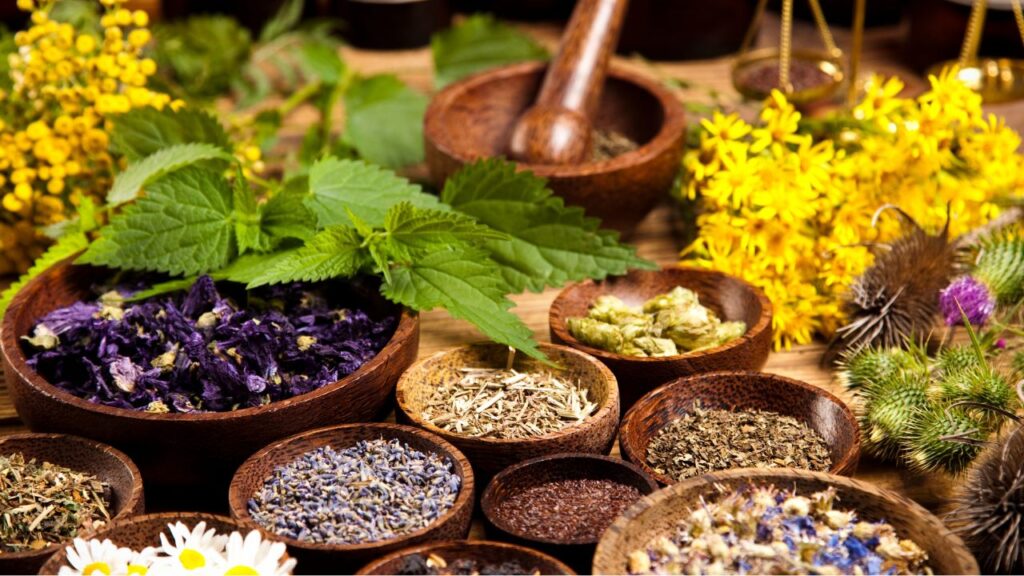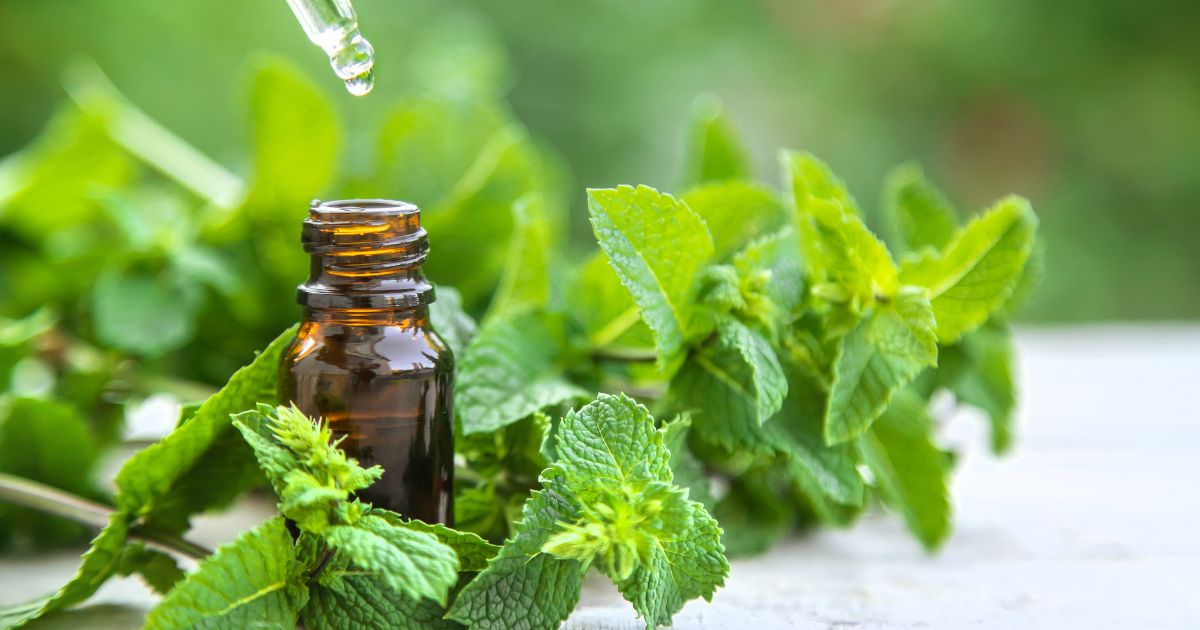

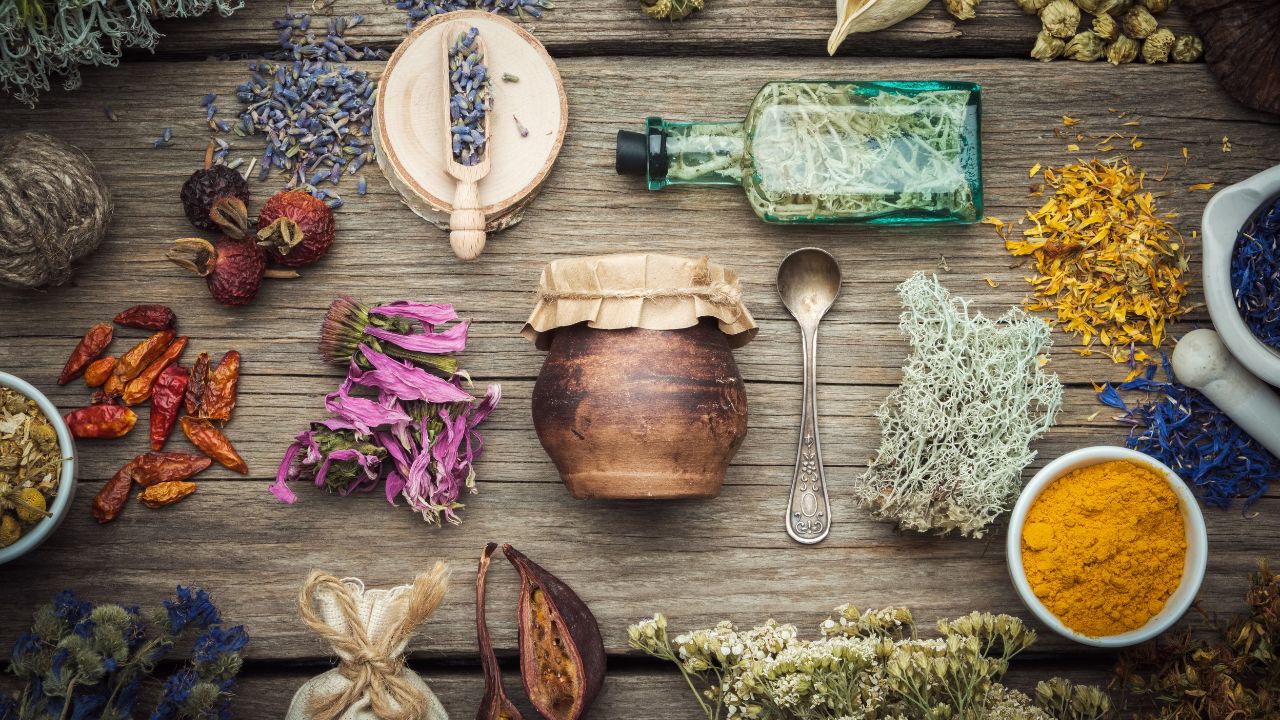
Long before laboratories, hospitals, and pharmacies, healing began in the natural world. Leaves, roots, bark, flowers, seeds, and resins were humanity’s first medicine cabinet. Ancient healers observed plants carefully, learned through trial and error, and passed their knowledge down through generations. Over thousands of years, this wisdom formed the foundation of many traditional healing systems that still exist today.
Even in our modern, technology-driven world, herbal remedies continue to play an important role in health and wellness. In fact, many modern medicines are inspired by or directly derived from plants used in ancient times. While science now helps us understand exactly how these plants work in the body, the connection between humans and healing herbs remains as strong as ever.
This article explores how herbal remedies were used in ancient civilizations and explains how we can still benefit from them today.
The Origins of Herbal Medicine
Herbal medicine is one of the oldest forms of healthcare known to humankind. The earliest records of plant-based healing go back more than 5,000 years.
Ancient people lived close to nature. They hunted, gathered fruits and roots, and observed animals carefully. When animals ate certain plants and recovered from illness, humans took notice. Over time, people began to experiment with plants to relieve pain, heal wounds, reduce fever, treat digestive problems, and support emotional and spiritual well-being.
This knowledge became part of culture and tradition and was preserved in texts, drawings, and oral teachings.
Some of the most influential ancient healing traditions include:
- Traditional Chinese Medicine (TCM)
- Ayurveda (from India)
- Egyptian medicine
- Greek and Roman herbalism
- Indigenous and shamanic traditions
- Arabic and Persian medicine
Each of these systems relied heavily on plants and herbs to create balance in the body and mind.
Herbal Remedies in Ancient Egypt
The ancient Egyptians were some of the first people to record the use of herbs in writing. The famous Ebers Papyrus, written around 1550 BC, lists more than 800 herbal remedies.
Egyptian healers used herbs for a wide range of physical and spiritual purposes. They believed that disease was linked not only to physical damage but also to spiritual imbalance.
Some of the herbs they used include:
Aloe vera
Used to treat burns, skin irritation, and wounds. Today, aloe is still used in creams, gels, and natural skincare products.
Garlic
Consumed to increase strength and endurance. Modern research shows that garlic supports heart health and immune function.
Frankincense and myrrh
Used in religious ceremonies and healing rituals. These resins are still used in aromatherapy to calm the mind and support emotional balance.
Juniper and mint
Used for digestive issues. Even today, mint is one of the most popular herbs for stomach discomfort.
The Egyptians also understood the importance of clean water, proper diet, and holistic care — ideas that are still central to modern wellness.
Herbal Medicine in Traditional China
Traditional Chinese Medicine is one of the most advanced ancient herbal systems in history. It is based on the concept of balance between opposing forces known as Yin and Yang, as well as the flow of vital energy called Qi.
Chinese healers believed that illness occurred when the flow of Qi was blocked or imbalanced. Herbs were used to restore harmony in the body.
Among the most important herbs in Chinese medicine are:
Ginseng
Used to increase energy, boost immunity, and improve mental clarity. Today it is a popular supplement for fatigue and stress.
Ginger
Used for digestion, nausea, colds, and inflammation. Modern science confirms ginger’s powerful anti-inflammatory effects.
Goji berries
Consumed to support longevity and eye health. They are now considered a “superfood” worldwide.
Licorice root
Used to soothe the throat, support adrenal health, and improve digestion.
Traditional Chinese herbal remedies are often used in combinations, not in isolation. Each herb plays a unique role in balancing the body as a whole rather than treating just one symptom.
Ayurveda: The Healing System of Ancient India
Ayurveda is a holistic healing system that developed in India over 3,000 years ago. It is based on the belief that the body, mind, and spirit must be in balance for true health.
Ayurveda recognizes three main body types or energies, known as doshas: Vata, Pitta, and Kapha. Herbs are chosen according to a person’s dosha to restore balance.
Some of the most well-known Ayurvedic herbs include:
Turmeric (Curcuma longa)
Considered one of the most powerful healing herbs in the world. It reduces inflammation and supports joint, brain, and heart health. Modern science now confirms many of its benefits.
Ashwagandha
Used to reduce stress, increase energy, and support the nervous system. Today it is a popular adaptogen.
Tulsi (Holy Basil)
Used to strengthen immunity, cleanse the body, and uplift the spirit.
Neem
Used for skin conditions, blood purification, and dental health.
Ayurveda teaches that herbs work best when combined with proper lifestyle habits, sleep, movement, and mindful eating.
Herbal Remedies in Ancient Greece and Rome
The Greeks and Romans played a major role in shaping Western herbal medicine. One of the most famous Greek physicians, Hippocrates, often referred to as the “Father of Medicine,” believed that nature was the best healer.
Later, the Roman physician Dioscorides wrote De Materia Medica, one of the most important herbal texts in history. It described more than 600 plants and their medicinal properties. For centuries, it was used as a medical reference across Europe and the Middle East.
Common herbs used by Greeks and Romans included:
Willow bark
Used to relieve pain and fever. Modern aspirin was developed from compounds found in willow bark.
Lavender
Used for relaxation and wound care. Today it is widely used in aromatherapy and skincare.
Rosemary
Used to improve memory. Modern studies support its effect on brain function.
Sage
Used to treat sore throats and support digestion. The Latin name salvia means “to heal.”
These civilizations helped bridge ancient herbal knowledge to medieval and modern Europe.
Indigenous and Shamanic Herbal Traditions
Indigenous cultures around the world have some of the deepest connections to plants. Shamans, healers, and medicine men and women understood herbs as living spirits with wisdom and power.
In the Americas, herbs like:
Echinacea – for immune strength
Sage – for purification and protection
Cacao – for heart-opening and energy
Yerba mate – for vitality and mental clarity
In the Amazon, powerful plant medicines like ayahuasca and cat’s claw are used for spiritual and physical healing. In North America, sweetgrass, cedar, and tobacco were used ceremonially to cleanse and connect to higher consciousness.
These traditions taught respect, gratitude, and sacred relationship with the natural world — an idea that is returning to modern wellness culture.
How Ancient Herbal Remedies Work in Modern Times
Today, science is catching up with what ancient healers already knew.
Many pharmaceutical drugs are based on plant compounds. The difference is that herbal medicine offers a more natural and gentle approach that supports the body’s own healing systems instead of overpowering them.
Here is how herbal remedies continue to be useful in the modern world:
Supporting the Immune System
Herbs such as echinacea, elderberry, garlic, and astragalus help strengthen the immune system. They are often used to prevent and recover from colds, flu, and infections.
Reducing Inflammation
Inflammation is the root of many modern diseases, including arthritis, heart disease, and autoimmune disorders. Ancient herbs like turmeric, ginger, and boswellia are now widely studied for their anti-inflammatory effects.
Improving Digestion
Herbs such as peppermint, fennel, chamomile, and dandelion support digestion, reduce bloating, and improve gut health, which is essential for overall wellness.
Balancing Hormones
Certain herbs support hormonal balance, especially for women. Chasteberry, maca root, and dong quai are examples used for menstrual health, menopause, and fertility.
Reducing Stress and Anxiety
Adaptogenic herbs like ashwagandha, rhodiola, and holy basil help the body handle stress and maintain emotional balance. They support the nervous system without causing harmful side effects.
Supporting Mental Clarity
Herbs such as ginkgo biloba, rosemary, and lion’s mane mushroom support brain function, memory, and mental focus.
The Rise of Holistic and Natural Living
In modern society, many people are turning away from synthetic solutions and returning to natural remedies. This shift is driven by:
- Concerns about side effects of medications
- Interest in sustainable and eco-friendly living
- A desire to treat the root cause of disease
- A growing awareness of mind-body connection
- Interest in ancestral and traditional wisdom
Herbal medicine fits perfectly into the holistic approach to health that considers lifestyle, diet, emotional well-being, and spirituality.
How to Safely Use Herbal Remedies Today
While herbs are natural, they are still powerful. It’s important to use them wisely.
Here are some simple guidelines:
- Learn before using – Not all plants are safe for everyone.
- Use high-quality herbs – Choose organic and reputable sources.
- Start small – Begin with low doses.
- Pay attention to your body – Everyone reacts differently.
- Consult a professional – If you are pregnant, on medication, or have a medical condition, always speak with a qualified healthcare provider.
Herbs can be taken in many forms, including:
- Teas (infusions)
- Tinctures (liquid extracts)
- Capsules and tablets
- Powders
- Essential oils
- Topical salves and creams
A Bridge Between Past and Future
Herbal remedies are not a trend. They are a bridge between ancient wisdom and modern science. They remind us that healing is not just found in laboratories but in forests, gardens, and the earth itself.
As we face modern challenges such as chronic stress, environmental toxins, and lifestyle-related diseases, the ancient knowledge of plants offers gentle, powerful solutions. When used with respect and understanding, herbal medicine can support healing, prevention, and long-term well-being.
By reconnecting with nature, we also reconnect with ourselves.
Final Thoughts
The use of herbal remedies in ancient times was based on deep observation, intuition, and connection to the earth. Today, with scientific analysis and modern research, these same plants are proving to be just as valuable as they were thousands of years ago.
Herbs do not replace modern medicine. Instead, they complement it by strengthening the body, restoring balance, and encouraging natural healing.
The more we respect and understand these gifts from nature, the more we can unlock their true potential.
Nature has always been our greatest healer. And it still is.