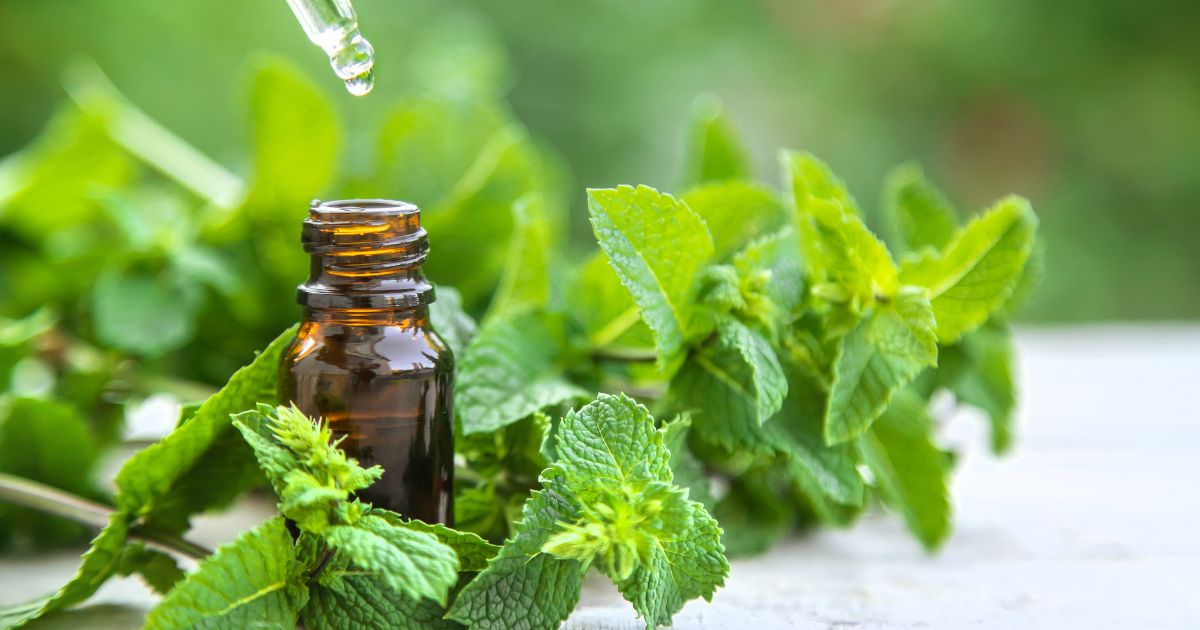


Long before nutrition labels, calorie counters, and dietary trends, food was understood as medicine.
Ancient civilizations did not separate nourishment from healing. What you ate was not just fuel. It was therapy, prevention, balance, and sometimes even spiritual practice. Today, after decades of processed foods and convenience culture, modern science is rediscovering a powerful truth: the food on your plate has the ability to protect, repair, and transform your health.
This is not a new idea. It is a remembered one.
Ancient Cultures Treated Food as Daily Medicine
In Ancient Greece, Hippocrates famously advised, “Let food be thy medicine.” While the exact wording may be debated, the philosophy is not. Greek physicians believed that proper diet was the foundation of health and the first line of treatment.
In Ayurveda, food is classified not just by nutrients but by energy, qualities, and effects on the body’s internal balance. Meals were tailored to individual constitution, season, and digestive strength.
Traditional Chinese Medicine teaches that food influences the flow of vital energy and organ function. Certain foods warm the body. Others cool it. Some build strength. Others clear stagnation.
Across continents and centuries, the message was consistent: eat wisely, and you prevent disease before it begins.
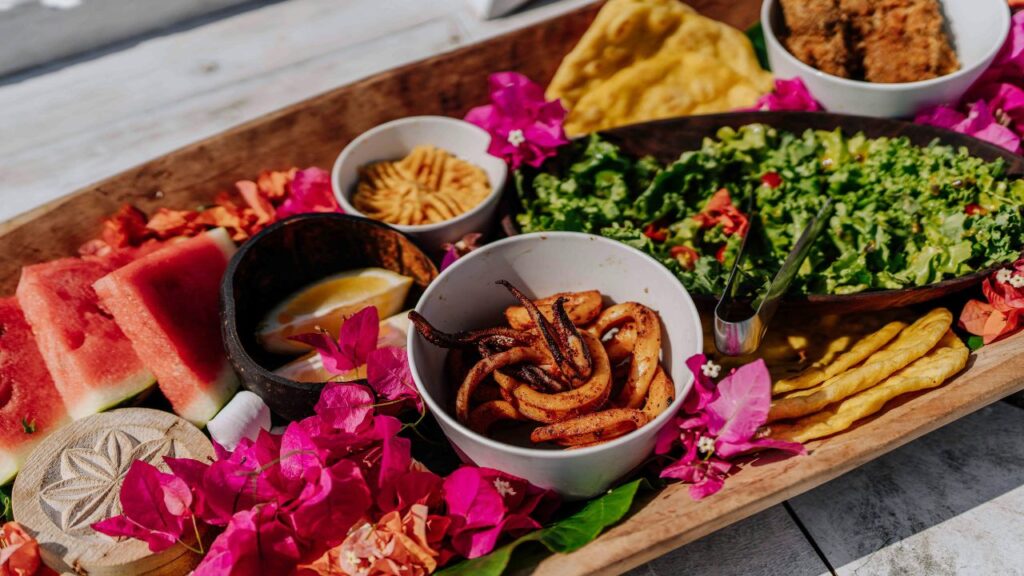
Modern Science Is Catching Up
For years, food was reduced to calories, fats, and vitamins. While important, this approach missed the bigger picture.
We now know that food contains thousands of bioactive compounds that influence inflammation, gut bacteria, hormones, immunity, and even gene expression. The field of nutritional science has expanded into areas like nutrigenomics, which studies how food interacts with our DNA.
For example:
- Turmeric contains curcumin, a compound shown to reduce inflammation.
- Garlic supports cardiovascular health through sulfur compounds.
- Berries are rich in antioxidants that protect cells from oxidative stress.
- Leafy greens provide nutrients that support detoxification pathways.
These findings do not create a new philosophy. They validate an old one.
Inflammation: The Modern Epidemic
One of the most significant discoveries in modern medicine is the role of chronic inflammation in disease.
Heart disease, diabetes, arthritis, autoimmune conditions, and even cognitive decline have inflammatory components. And diet plays a central role in either increasing or reducing inflammation.
Processed foods, refined sugars, and excess industrial oils tend to promote inflammation. Whole foods, herbs, spices, healthy fats, and fiber-rich vegetables tend to calm it.
Ancient diets were naturally anti-inflammatory because they were whole, seasonal, and minimally processed.
The body recognizes real food.
The Gut: Where Food Becomes Health
Modern research highlights the gut microbiome as a key player in immunity, mood, metabolism, and inflammation.
Your digestive system houses trillions of microorganisms that influence nearly every system in your body. Fiber-rich foods, fermented foods, herbs, and plant diversity nourish beneficial bacteria.
Ancient cultures consumed fermented foods regularly: yogurt, kefir, sauerkraut, kimchi, and traditional grain ferments. They did not know about microbiomes, but they observed improved digestion and vitality.
Today, we understand why.

Blood Sugar and Energy Balance
Energy crashes, cravings, and fatigue are often linked to unstable blood sugar.
Traditional diets emphasized balanced meals with natural fats, proteins, and complex carbohydrates. Modern diets often prioritize convenience, leading to spikes and crashes.
Stable blood sugar supports hormone balance, mental clarity, and emotional stability.
When ancient healers emphasized moderation and balanced meals, they were stabilizing metabolism long before glucose monitors existed.
Seasonal Eating and Biological Rhythm
Ancient societies ate according to the seasons because they had no choice. Interestingly, this natural pattern supported biological rhythm.
Seasonal foods often match the body’s needs. Cooling fruits in summer. Root vegetables and warming spices in winter. Bitter greens in spring to support liver function.
Modern life offers year-round availability, but the body still responds to seasonal variation.
Eating with nature enhances harmony.
Food and Emotional Health
Emerging research in nutritional psychiatry shows strong connections between diet and mood disorders.
Nutrient deficiencies, inflammation, and gut imbalance can influence anxiety and depression. Diets rich in whole foods, omega-3 fats, and plant diversity are associated with better mental health outcomes.
Ancient traditions never separated food from emotion. Meals were communal, mindful, and intentional.
Food nourishes more than the body.
Simplicity Over Complexity
The most powerful food-as-medicine strategies are often simple:
- Prioritize whole, unprocessed foods.
- Eat a variety of colorful plants.
- Include herbs and spices daily.
- Support digestion with mindful eating.
- Reduce excessive sugar and industrial oils.
You do not need exotic superfoods to heal. Many powerful remedies are already in your kitchen.
Garlic. Ginger. Olive oil. Lentils. Greens.
Simple, accessible, effective.
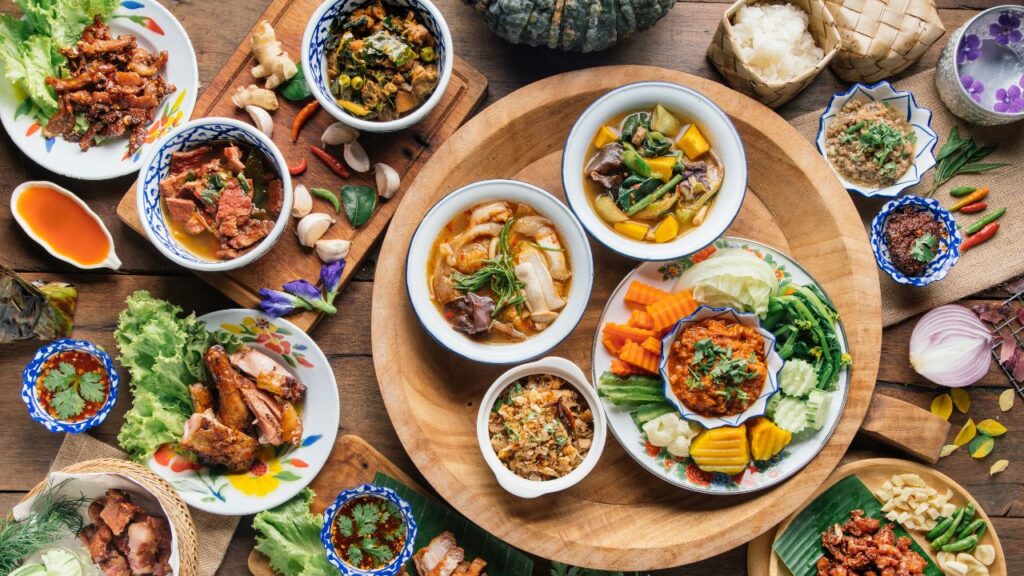
Food Is Preventive Medicine
Modern healthcare often intervenes after disease develops. Food works quietly before that stage.
A balanced diet reduces risk of chronic disease, supports immunity, protects the heart, stabilizes mood, and enhances longevity.
Prevention does not feel dramatic. It feels steady.
Ancient cultures valued steady.
Integrating Ancient Wisdom and Modern Evidence
Food as medicine does not mean rejecting medical care. It means recognizing that daily choices shape long-term outcomes.
Modern diagnostics can identify deficiencies and metabolic imbalances. Ancient wisdom provides lifestyle frameworks that sustain health over time.
Together, they form a complete approach.
Returning to the Table
When you view food as medicine, eating becomes intentional rather than automatic.
You begin asking different questions:
Does this nourish me?
Does it calm or inflame?
Does it support clarity or fatigue?
Food becomes an act of care.
The most profound medicine is often not found in a bottle, but on a plate.
Ancient civilizations knew this instinctively. Modern science now confirms it.
The opportunity today is not to reinvent health, but to remember that nourishment has always been the first prescription.