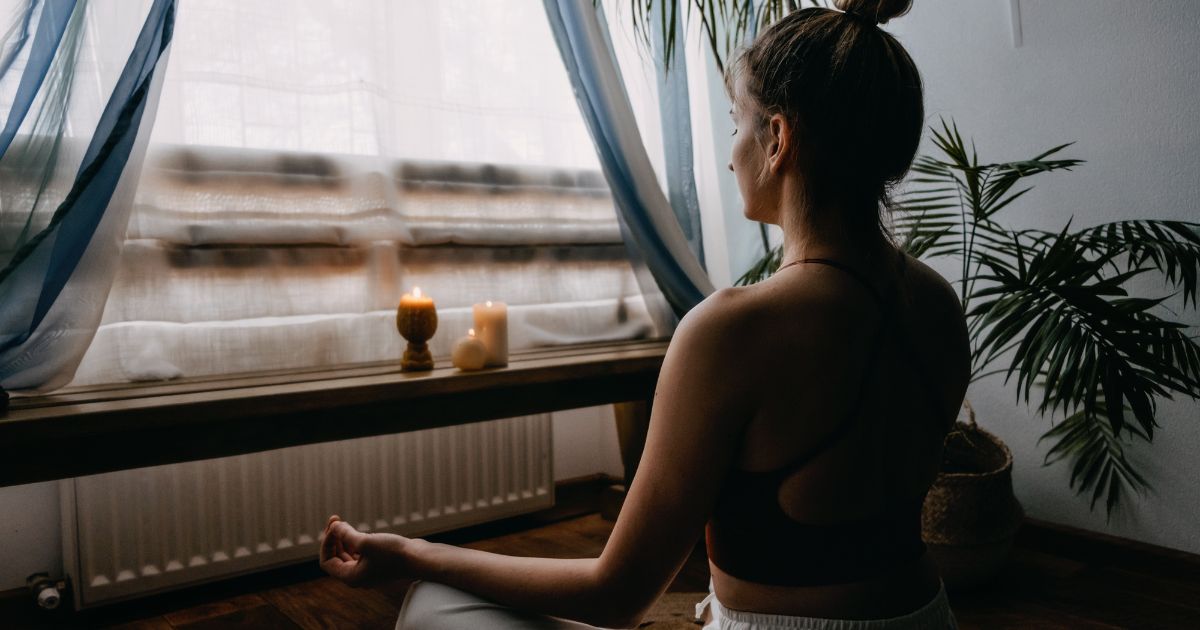

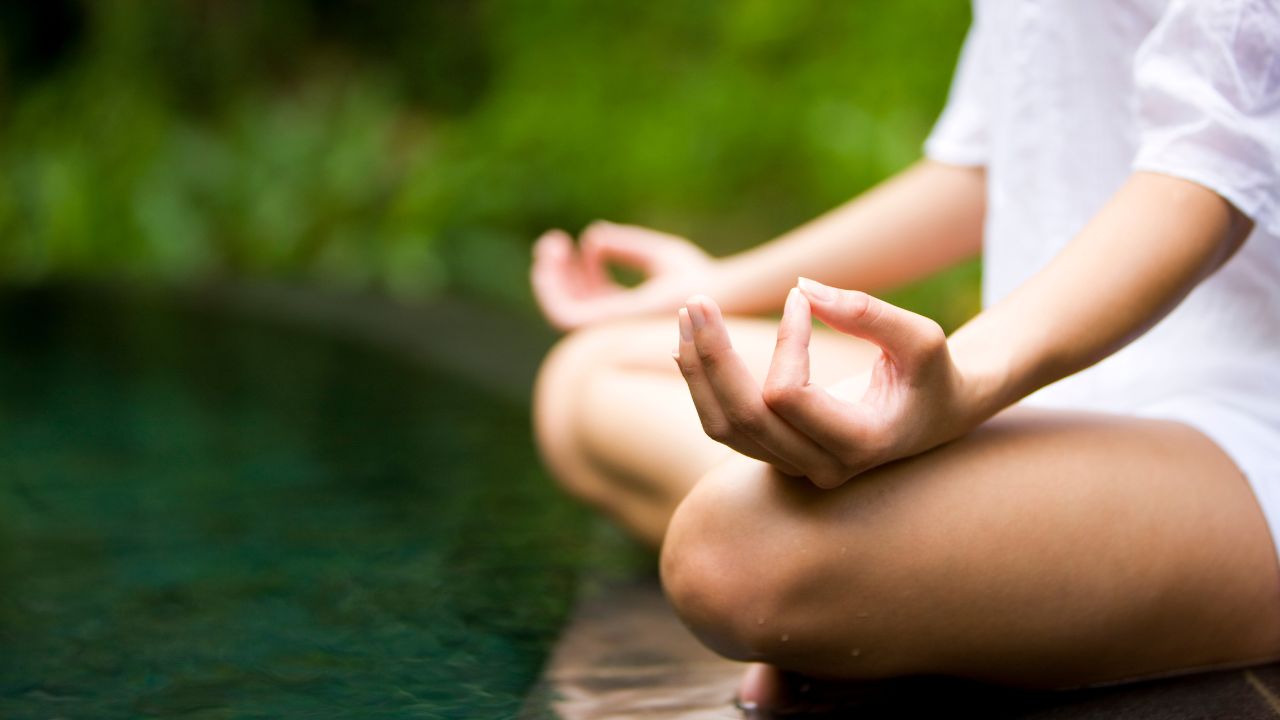
Meditation is one of the oldest healing practices in the world—and yet, it is more relevant today than ever. In a time where stress, distraction, and constant stimulation have become the “new normal,” meditation offers a safe, natural, and deeply effective path back to balance. You don’t need special tools, a particular belief system, or hours of free time. You only need a few minutes a day and a willingness to sit with yourself.
This article explores the profound benefits of meditation from a holistic health perspective, showing how this simple practice can support your physical body, calm your mind, strengthen your spirit, and improve your everyday life. Whether you are new to meditation or looking to deepen your practice, the insights here will help you understand why meditation is one of the most powerful natural remedies available today.
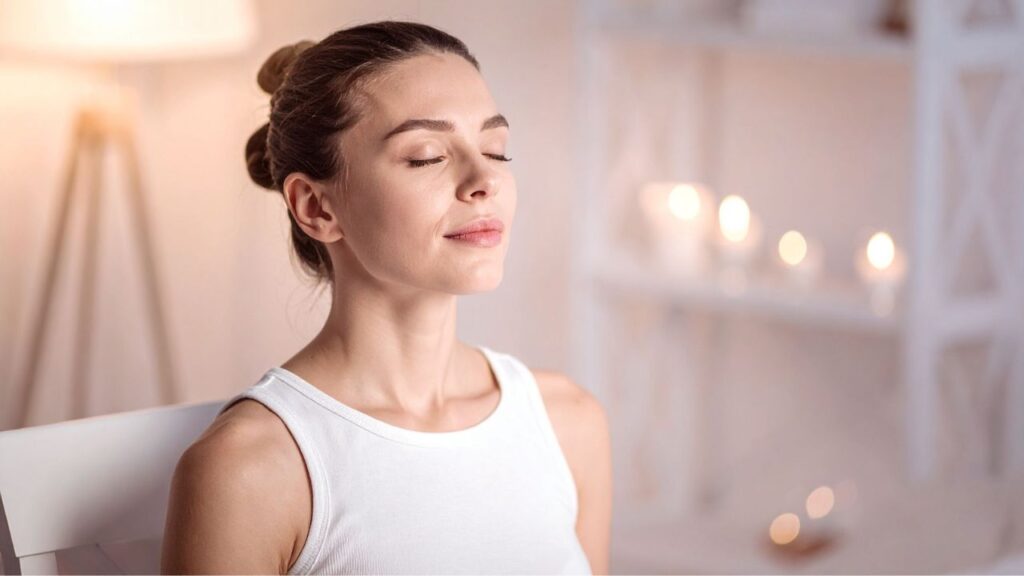
1. Meditation: A Natural Healing Tool for Modern Life
Meditation has been practiced for thousands of years across cultures—from ancient India and China to Greece, Japan, and Native American traditions. Although the techniques differ, the core intention is the same: to quiet the mind, connect with inner stillness, and cultivate awareness.
Today, scientific research supports what holistic healers have known for centuries: meditation has real, measurable effects on the brain, nervous system, hormones, and even the immune system. It is not a mysterious or abstract practice—it is a therapeutic tool.
Meditation is especially effective for:
- Reducing chronic stress
- Encouraging emotional healing
- Improving sleep
- Lowering inflammation
- Supporting mental clarity
- Increasing energy
- Reducing anxiety and depression
- Promoting overall well-being
As a holistic practice, meditation supports the whole person—not only physically, but mentally, emotionally, and spiritually.
2. How Meditation Affects the Brain
One of the most fascinating discoveries about meditation is its ability to physically reshape the brain. Neuroscientists have shown that regular meditation can shift brain patterns, strengthen certain regions, and weaken the structures associated with stress and fear.
Meditation strengthens the prefrontal cortex
This is the part of the brain involved in:
- Decision-making
- Focus
- Emotional regulation
- Self-control
- Problem-solving
People who meditate regularly experience increased thickness and activity in this area, meaning they become naturally calmer, more focused, and more resilient.
It reduces activity in the amygdala, the brain’s fear center
The amygdala triggers:
- Stress reactions
- Anxiety
- Fight-or-flight responses
- Emotional overreactions
Meditation calms the amygdala, making you less reactive and more peaceful. Over time, the brain becomes less sensitive to stress triggers.
Meditation increases gray matter
Gray matter is involved in learning, empathy, memory, and self-awareness. Studies show that meditation practitioners—especially those who meditate 10 to 20 minutes daily—have more gray matter in key areas of the brain.
It boosts neuroplasticity
Meditation helps the brain rewire itself in healthier ways, helping break old habits, negative thinking patterns, and emotional triggers.
Essentially, meditation gives your brain a “reset,” offering clarity and flexibility instead of confusion and rigidity.
3. Meditation and Stress Reduction: The Ultimate Natural Remedy
Stress is at the root of many health problems—insomnia, weight gain, digestive issues, inflammation, hormone imbalance, and chronic pain. Meditation is one of the most effective natural tools for reducing stress.
It lowers cortisol levels
Cortisol is the body’s main stress hormone. High cortisol causes:
- Anxiety
- Belly fat
- Mood swings
- Hormonal imbalance
- Weakened immunity
Meditation helps lower cortisol naturally within minutes.
It activates the parasympathetic nervous system
This is the “rest and repair” part of the nervous system. When activated, the body:
- Slows heart rate
- Relaxes muscles
- Improves digestion
- Enhances immune function
- Calms the mind
Meditation turns off the body’s stress response and promotes a deep healing state.
It reduces inflammation
Because stress fuels inflammation, calming the nervous system naturally reduces inflammatory responses in the body—helping with conditions like arthritis, chronic pain, fibromyalgia, autoimmune disorders, and skin problems.
It builds long-term stress resilience
Over time, meditation trains your body to respond to stress differently. You don’t break down as quickly, and you recover faster. This is one reason why meditators tend to feel centered even in chaotic environments.

4. Emotional Benefits: Healing the Heart and Mind
Emotional wellness is a key part of holistic health, and meditation is one of the most powerful tools for emotional healing.
Meditation reduces anxiety and overthinking
Most anxiety comes from:
- Future fears
- Worst-case scenario thinking
- Mental overstimulation
- Unprocessed emotions
Meditation creates distance between YOU and your thoughts, helping you observe them calmly instead of becoming overwhelmed.
Meditation helps with depression
Meditation supports emotional healing by:
- Increasing serotonin (the “happiness hormone”)
- Reducing rumination
- Increasing self-awareness
- Helping process difficult emotions
- Promoting acceptance
Many therapists now incorporate mindfulness meditation into treatment for depression due to its effectiveness.
It improves emotional regulation
Meditation teaches you how to pause before reacting, helping you respond wisely instead of emotionally. This leads to more peace and harmony in relationships.
It increases compassion and empathy
Practices like loving-kindness meditation soften the heart, reduce anger, and improve the ability to connect with others.
It improves self-esteem and inner confidence
Meditation helps you:
- Let go of self-judgment
- Break free from negative beliefs
- Hear your inner voice
- Trust yourself more
Instead of seeking validation from outside, you begin to feel grounded and strong from within.
5. Physical Benefits: Healing the Body from the Inside Out
Although meditation is a mental and emotional practice, it has astonishing physical benefits.
Better sleep
Meditation helps:
- Calm the mind
- Relax the nervous system
- Lower heart rate
- Reduce nighttime anxiety
People who meditate often fall asleep faster and have deeper, more restorative sleep.
Lower blood pressure
A calm nervous system reduces strain on the cardiovascular system, helping naturally lower high blood pressure and improve circulation.
Better digestion
Stress disrupts digestion, but meditation restores balance. It helps with:
- IBS
- Acid reflux
- Bloating
- Constipation
- Appetite regulation
The parasympathetic state supports healthy metabolism.
Pain relief
Meditation changes how the brain perceives pain, making chronic pain easier to manage. It helps with:
- Migraines
- Tension headaches
- Back pain
- Fibromyalgia
- Arthritis
Some hospitals now use meditation as part of pain management programs.
Stronger immune system
Meditation raises levels of immune-boosting cells, helping the body fight infections, viruses, and inflammation.
Hormonal balance
Because stress disrupts hormones, meditation helps:
- Balance adrenal hormones
- Regulate thyroid function
- Improve fertility
- Support healthy menstrual cycles
- Reduce symptoms of PMS and menopause
This is especially helpful for women experiencing hormonal imbalance.
6. Meditation as a Tool for Spiritual Growth
Holistic health includes the spirit—the inner essence, intuition, and connection to something greater than the material world. Meditation is one of the strongest tools for spiritual awakening.
It deepens self-awareness
Meditation helps you understand:
- Who you are
- What you feel
- What you truly want
- What your life purpose may be
It strengthens intuition
When the mental noise quiets, your inner guidance becomes clearer. Many people report clearer decision-making and a stronger sense of direction.
It cultivates inner peace
This deep stillness remains even in difficult times, offering a sense of grounding and meaning.
It fosters gratitude and presence
Meditation helps you experience life with freshness, joy, and appreciation.
You become more aware of the beauty around you and within you.

7. Different Types of Meditation and How to Choose the Right One
There is no “one-size-fits-all” meditation. You can explore and choose what resonates with you.
1. Mindfulness Meditation
Focuses on observing thoughts, breath, and sensations without judgment. Great for stress, anxiety, and clarity.
2. Breathing Meditation
Involves slow, conscious breathing. Helps with relaxation, sleep, and emotional regulation.
3. Guided Meditation
A narrator leads you through relaxation, healing, or visualization. Perfect for beginners.
4. Mantra Meditation
You repeat a word or phrase (like “peace”) to calm the mind. Good for focus and emotional grounding.
5. Loving-Kindness (Metta) Meditation
Cultivates compassion, forgiveness, and connection.
6. Zen Meditation
Sit in stillness, often focusing on posture and breath. Great for discipline and deep peace.
7. Body Scan Meditation
You observe each part of your body, releasing tension. Excellent for sleep and stress relief.
8. Walking Meditation
You walk slowly with awareness. Helps people who struggle with sitting still.
Try different styles and let your intuition guide you.
8. How to Start Meditating: A Simple Step-by-Step Guide
Meditation doesn’t need to be complicated. Here is a beginner-friendly guide:
Step 1: Find a quiet space
Sit on a chair, cushion, or bed.
Step 2: Keep your back straight
Comfortable but alert.
Step 3: Close your eyes or soften your gaze
Step 4: Breathe naturally
Don’t force it—just notice it.
Step 5: Focus on the breath
Feel the air entering and leaving your body.
Step 6: If your mind wanders, gently bring it back
This is completely normal. The “return” is the practice.
Step 7: Start with 5 minutes
Increase gradually to 10, 15, or 20 minutes.
Meditation is not about perfection. It is about presence.
9. How Meditation Improves Everyday Life
Meditation is not just a practice you do for a few minutes—it transforms the way you live. People who meditate regularly often report:
- Better relationships
- More patience
- Greater emotional control
- Improved productivity
- More creativity
- Deeper sense of happiness
- A stronger connection with themselves and others
Daily challenges become easier. You react less and respond more. You feel more grounded and centered.
Meditation is one of the few practices that improves every aspect of your life.
10. Final Thoughts: A Simple Practice with a Powerful Impact
Meditation is more than a health technique—it is a lifestyle. It reconnects you with your inner wisdom, calms your mind, heals your body, and opens the door to deeper peace. It is free, accessible, and effective for people of all ages.
In a world filled with noise, meditation helps you return to yourself—to your breath, your presence, your clarity, and your natural state of balance.
If you are looking for a natural remedy that supports your body, mind, and spirit, meditation may be the most powerful practice you can add to your life.
Start small. Be consistent. Let stillness become your medicine.